
Property Snagging Checklist: Key Areas to Inspect in Your New Home
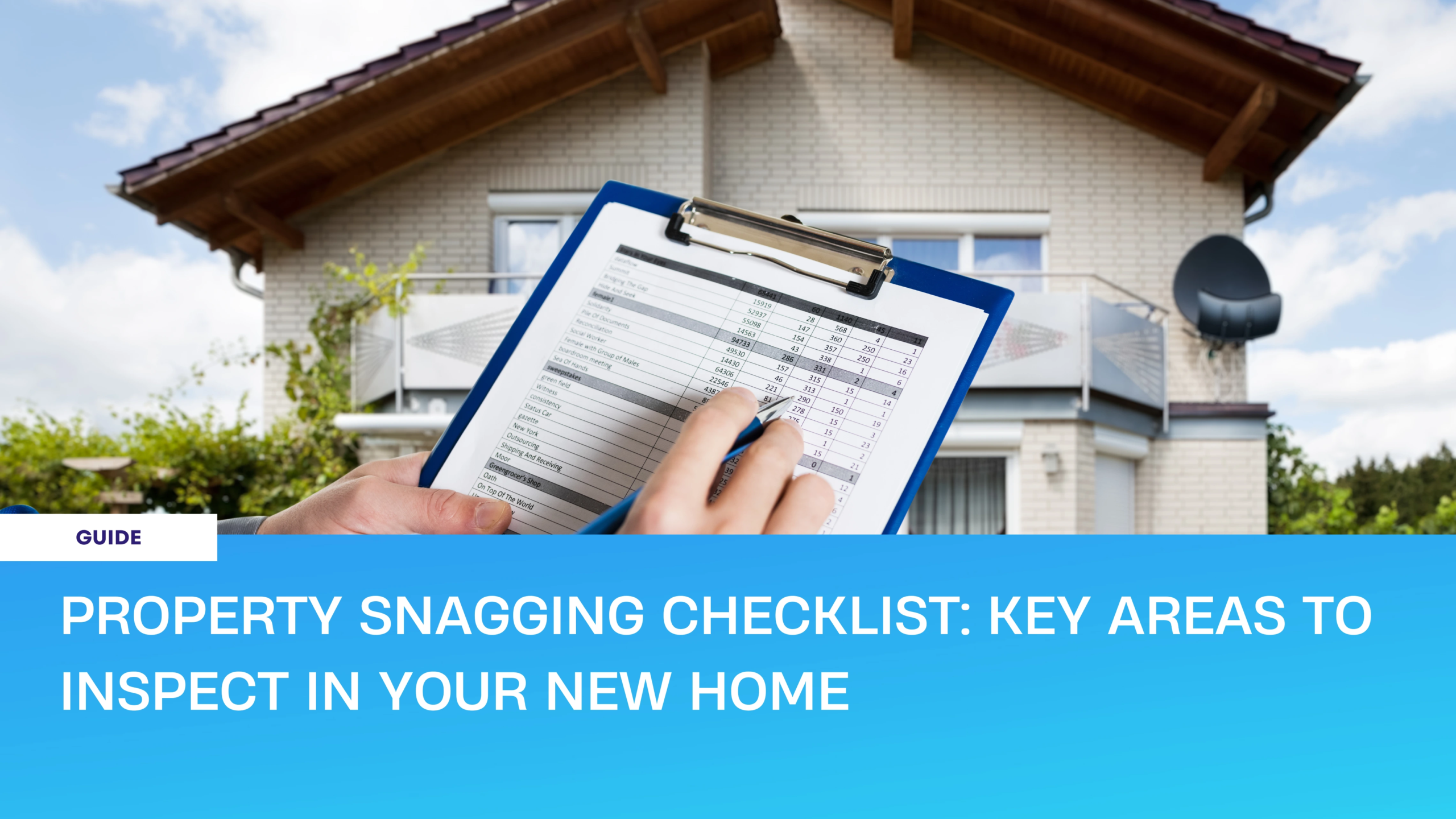
Property snagging checklist inspections help you catch the small issues before they become big problems after move-in. A sticking door, a leaky tap, cracked grout, or weak AC airflow might seem minor at first, but if discovered too late, these defects can turn into expensive, time-consuming headaches.
That’s where property snagging comes in. This blog gives you a practical, easy-to-follow snagging list covering the key areas to inspect before handover, especially relevant for snagging Dubai, where handovers often come with tight timelines and high expectations on finish quality.
Key Takeaways
- Property snagging identifies defects before handover, allowing developers to fix them early.
- Snagging before signing handover (or on handover day) and re-checking after fixes.
- Inspect finishes and systems: walls, floors, doors, electrical, plumbing, AC, drainage.
- Hidden issues (moisture, AC imbalance, poor slope) often show up later.
- A professional photo report speeds rectification and reduces disputes.
Table of Contents
What Is Property Snagging?
Property snagging is a detailed inspection of a new (or renovated) home to identify defects, incomplete work, and quality issues before you accept handover or move in.
The goal is simple: identify problems early so that the developer or contractor can fix them within the agreed-upon rectification period.
A professional snagging list (also called a building snag list) usually includes:
- A clear list of defects by area (e.g., living room, kitchen, bathrooms)
- Photos to support each issue
- Notes explaining what’s wrong and what needs attention
- Prioritisation (cosmetic vs functional vs safety-related)
- A structured report format that’s easy to share with the developer
You can do a basic check yourself, but many owners in Dubai hire a snagging company to ensure nothing is missed, especially issues hidden behind panels, under sinks, or in service systems like AC and drainage.
If you’re new to the topic, read our main guide first: “A Complete Guide to Property Snagging in Dubai: What Every Homebuyer Needs to Know”
When to Do Snagging in Dubai
Timing matters. Here are the best moments to schedule your inspection in Snagging Dubai:
-
Before handover: Inspect before signing final acceptance documents. This gives you the strongest position to request fixes.
-
On handover day: If you can’t access the property earlier, do a structured walk-through before completing formalities.
-
After rectification: Once the developer says issues are fixed, a re-inspection confirms repairs were done properly.
-
Before moving in: Even after handover, a final check can catch overlooked defects (especially if the unit sat vacant).
-
Before renting or reselling, investors often use property snagging to protect their returns and reduce tenant complaints.
-
After renovation or maintenance works: Snagging isn’t only for new builds; post-renovation inspections are just as valuable.
Property Snagging Checklist
Use this as your main property snagging checklist and follow a simple system: go room-by-room, then test all services (water, electricity, AC). Start at the entrance, move in one direction, and record issues as you go so nothing gets missed.

Structural & Finishing
- Check for cracks, damp marks, and staining, especially around doors, window corners, and column areas where movement shows first.
- Look for finish defects like uneven paint, messy caulking, plaster bumps/chips, and gaps along skirting/ceiling lines under different lighting.
Floors, Tiles & Grout
- Inspect for loose or hollow tiles, uneven edges (lippage), and chips/scratches across all flooring types.
- Review grout and transitions: missing/cracked grout, corner gaps, uneven trims, and correct slope in bathrooms/balconies to avoid pooling.
Doors, Windows, Locks & Hardware
- Test that doors and windows operate smoothly: correct latching, no scraping, easy sliding, and secure locking without grinding noises.
- Confirm alignment and sealing: consistent frame gaps, no drafts/daylight through edges, stable hinges/stoppers, and extra attention to balcony door seals.
Electrical
- Test every switch, socket, and light point, including balcony/utility/kitchen counter outlets, checking for flicker, buzzing, and loose fittings.
- Inspect the distribution board and extras: correct labelling, secure cover, protected outlets where installed, plus doorbell/intercom function if included.
- Refer to DEWA circulars and regulations for electrical installations for general guidance on electrical safety and standards
Plumbing & Bathrooms
- Run all taps and showers to confirm pressure and hot water, then check under-sink joints for leaks, dampness, or loose connections.
- Verify sanitaryware and drainage: toilet stability and flushing, fast drain flow, neat silicone sealing, and floor drain pull (plus odour) where present.
AC, Ventilation & Odour Checks
- Turn on the AC in every room and confirm cooling speed, airflow strength, and even temperature distribution across spaces.
- Listen and look for issues: unusual noises, condensation/water marks near grills, and working exhaust fans in bathrooms/kitchens.
Kitchen, Cabinets & Appliances
- Check cabinetry and drawers for alignment, soft-close function, smooth tracks, and defects hidden in corner units.
- Inspect countertops, sink sealing, backsplash, and do quick appliance function checks (if included) to confirm safe power supply and operation.
Waterproofing & Drainage
- Focus on balconies and wet areas: correct slope to drains, no pooling, and intact sealing at thresholds and tub/shower edges.
- Look for early warning signs: window frame seepage marks, stained edges, sealing gaps, and utility/maid room pipe joints and floor drains.
Balcony, Garden & Outdoor Areas
- Inspect railings and outdoor finishes: stable handrails, cracked/loose pavers, peeling paint, and any hollow spots in tiles.
- Test outdoor services: lights and water points work safely, and garden irrigation/drainage directs water away from walls and foundations.
Prefer experts to check this with tools? poa.ae can inspect and deliver a full report.
Common Snagging Issues to Watch
If you want a quick “most likely” list, these are frequent findings during property snagging:
- Misaligned doors and windows that don’t seal properly
- Tile lippage, poor cuts, loose tiles, and cracked grout
- Paint touch-up marks, uneven finishes, and hairline cracks
- Leaks under sinks, slow drainage, weak water pressure
- Poor silicone sealing in bathrooms and kitchens
- AC airflow imbalance, noise, or condensation marks
- Balcony drainage/slope issues are causing water pooling
These are exactly the kinds of issues a structured snagging list is designed to document clearly so they’re fixed before they become your responsibility.
Want examples of real-world defects found in new properties? Read: 10 Common Snagging Issues in New Builds
DIY vs Hiring a Snagging Company
People also do this as a DIY project sometimes. If you are planning to do it yourself, here is a checklist for you.
What to bring (DIY essentials):
- Phone + charger (for photos/videos)
- Flashlight (for corners, cabinets, ceiling marks)
- Tissue/paper towel (leaks and dampness)
- Small tape measure (alignment and gaps)
- Notepad or snagging a checklist on your phone
BUT before you decide how to inspect your new property, it helps to understand what you can realistically catch on your own versus what professionals are trained to identify. Use the comparison below to select the appropriate approach based on risk, time, and the level of detail required.
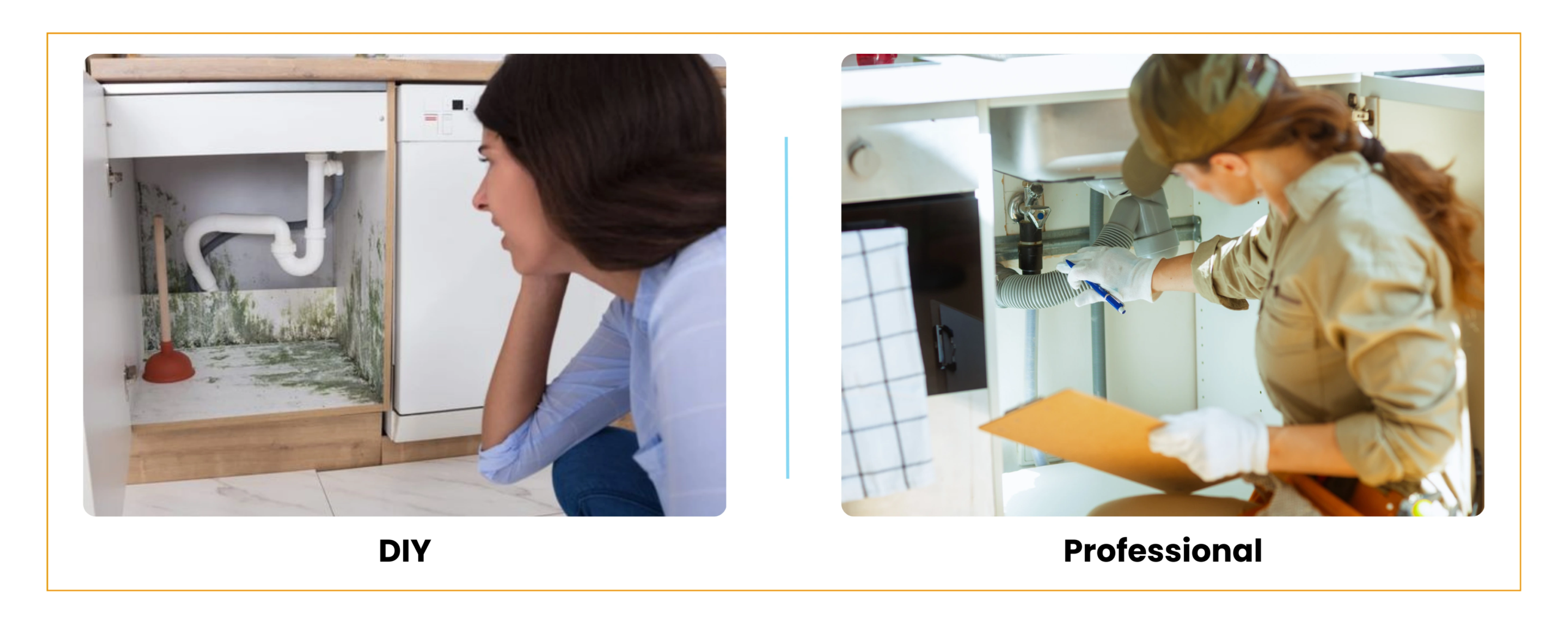
Basis |
DIY Snagging (Self-Check) |
Hiring a Snagging Company (Professional Check) |
|
Scope |
Mostly visible, cosmetic issues (scratches, stains, missing fixtures, uneven paint). |
Full inspection of finishes + systems with a structured approach. |
|
Inspection Method |
Often, a casual walk-through. |
Systematic inspection process (finishes + systems). |
|
Expertise |
Depends on your personal experience; you may miss what “looks fine” but isn’t. |
Experienced at spotting patterns and knowing where issues commonly hide. |
|
Tools & Testing |
Mainly visual checks (“eyeballing”). |
Uses professional tools like a Thermal Imaging Camera to detect hidden issues such as moisture intrusion, insulation gaps, and AC leakage/uneven cooling that aren’t visible during a normal walk-through. |
|
Reporting |
Notes/photos may be informal and less actionable for developers. |
Detailed, photo-supported report that’s easy to submit to the developer. |
|
Prioritisation |
Harder to decide what’s urgent vs minor. |
Clear categorisation so you can prioritise urgent defects. |
|
Best For |
Owners who want to catch obvious issues and have time to self-check. |
Anyone who wants a developer-ready, photo-documented snagging report that protects their investment, especially first-time buyers and investors who need strong proof for rectification, fewer disputes, and a smoother handover with less back-and-forth. |
Most defects aren’t obvious on day one. AC imbalance, hidden moisture, and drainage slope issues often show weeks later, when fixing becomes your problem. This makes the professional option feel necessary.
Get a thermal-camera-supported inspection with poa.ae.
What You Get with a Professional Snagging Inspection (poa.ae)
- On-site inspection with a structured, room-by-room + systems approach
- Photo-tagged snagging list so every issue is documented clearly
- Developer-ready PDF report that’s easy to submit for rectification
- Priority grading (urgent vs minor) to help you act fast and negotiate better
- Optional re-inspection after fixes to confirm the work is completed properly
Take a look at the sample snag report here.
FAQs
1. Can I do property snagging myself?
Yes, you can do a basic check using a checklist. But for a complete inspection, especially for AC, drainage, waterproofing risks, and report quality, many buyers choose a snagging company.
2. When is the best time to do snagging in Dubai?
Ideally, before you sign the handover acceptance. If that’s not possible, do it on handover day and follow up with a re-inspection after rectification.
3. Is snagging only for new builds?
No. Property snagging is useful after renovations, before renting a unit, or before reselling, any time you want to confirm the condition and quality.
4. What should a snagging list include?
It should be itemised by area, include clear photos, describe the defect, and note the expected correction. A good building snag list is easy for the developer to action.
5. How long does a snagging inspection take?
A snagging inspection time depends on the property size and complexity. Apartments are usually quicker, while larger villas take longer. The key is allowing enough time to check finishes, plumbing, electrics, AC, and drainage thoroughly, not just doing a quick walk-through.
Conclusion
A new home should feel like a fresh start, not a repair project. Using a detailed property snagging checklist helps you spot defects early, build a clear snagging list, and push for rectification before issues become your burden.
In snagging Dubai, where finishing standards and timelines can vary, a systematic inspection is one of the smartest steps you can take before moving in.
If you’d like a thorough, developer-ready report, consider booking a professional property snagging service with an experienced snagging company so you can move in with confidence, not compromises.
Book your poa.ae property snagging service today. Protect your investment, avoid surprises, and move in with peace of mind.
Disclaimer: poa.ae is a registered trademark and an online portal. It is NOT a notary office or a law firm. Any reference to potential legal services or notary services is outsourced to lawyers, law firms, or notaries licensed to practice in an appropriate jurisdiction. Your access to the website and use of our services is subject to our Terms and Conditions, Cookie Policy, nd Privacy Policy.
About the author

Recent Posts



September 20, 2026

August 27, 2026

August 20, 2026